I would like to share the philosophy behind my approach. For me, education is not merely a source of income or a transfer of experience, but the creation of an individual path for each student who comes to me. My many years of experience, along with my status as a master, mentor, curator, and judge at world championships, are only part of the professional foundation that shapes the studio, but they are not its main pillar.
To teach! To pass on not only techniques but also a piece of soul to each student. We strive for quality and meaningful values, because in my opinion, that is where true success lies.
I am happy that my approach attracts talented people not only in Latvia but also from all over the world, and that my students become not only strong and driven in their further development, but also practitioners with a conscious and thoughtful approach
For me, it is important to create not just lessons, but a space for growth and inner transformation.
When learning is built on trust, care, and support, confidence emerges — even in moments of doubt and fear.
My world is where quality and humanity go hand in hand and become a foundation for genuine development.
I believe that everyone has their own path, and it is important for me to help them feel it and uncover it.
I stand for each person and each student creating their own unique path, at their own pace and guided by their personal values.
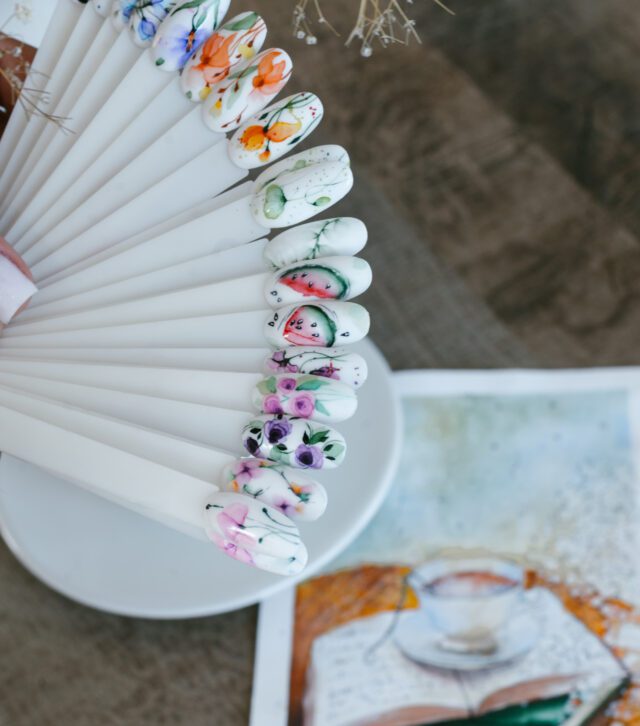
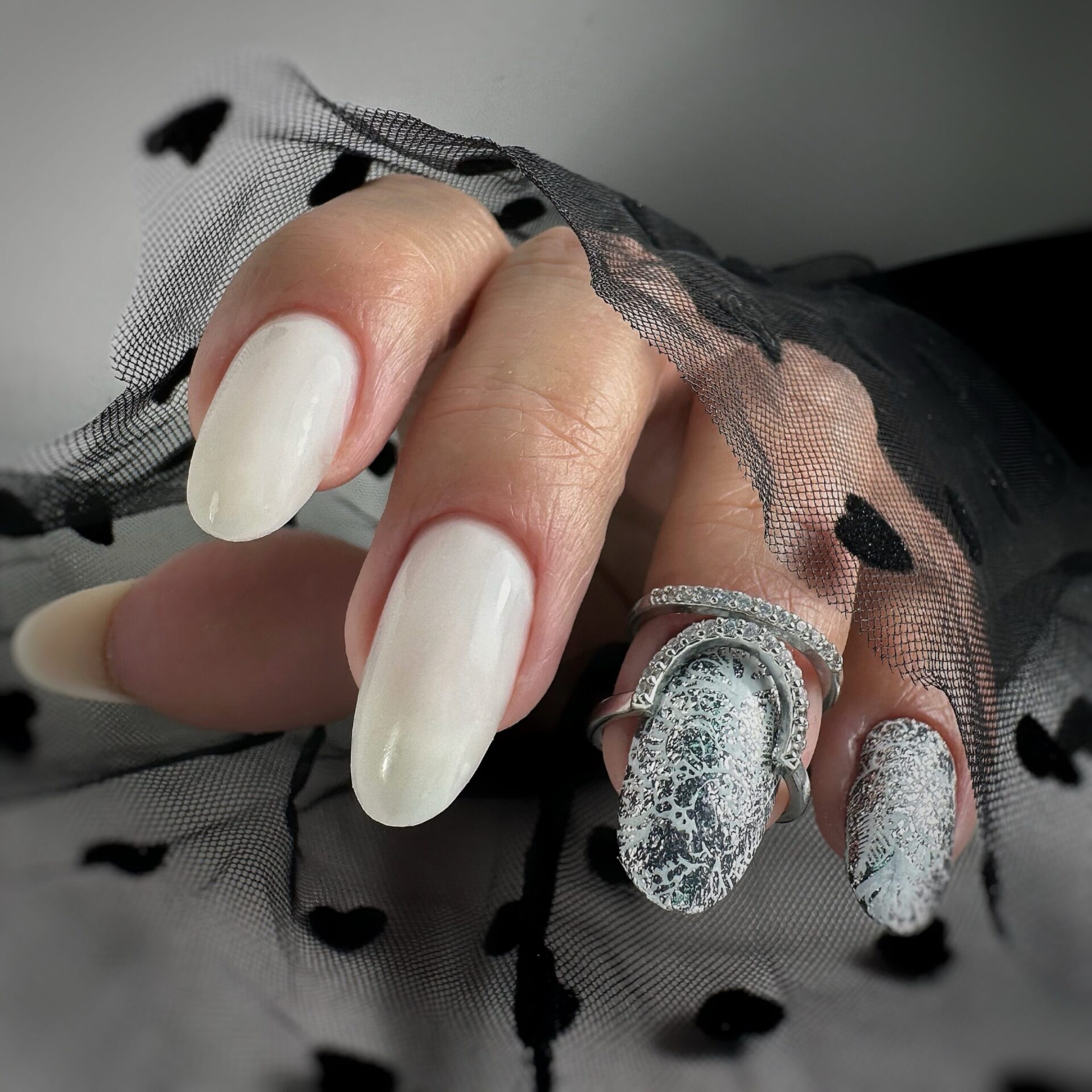
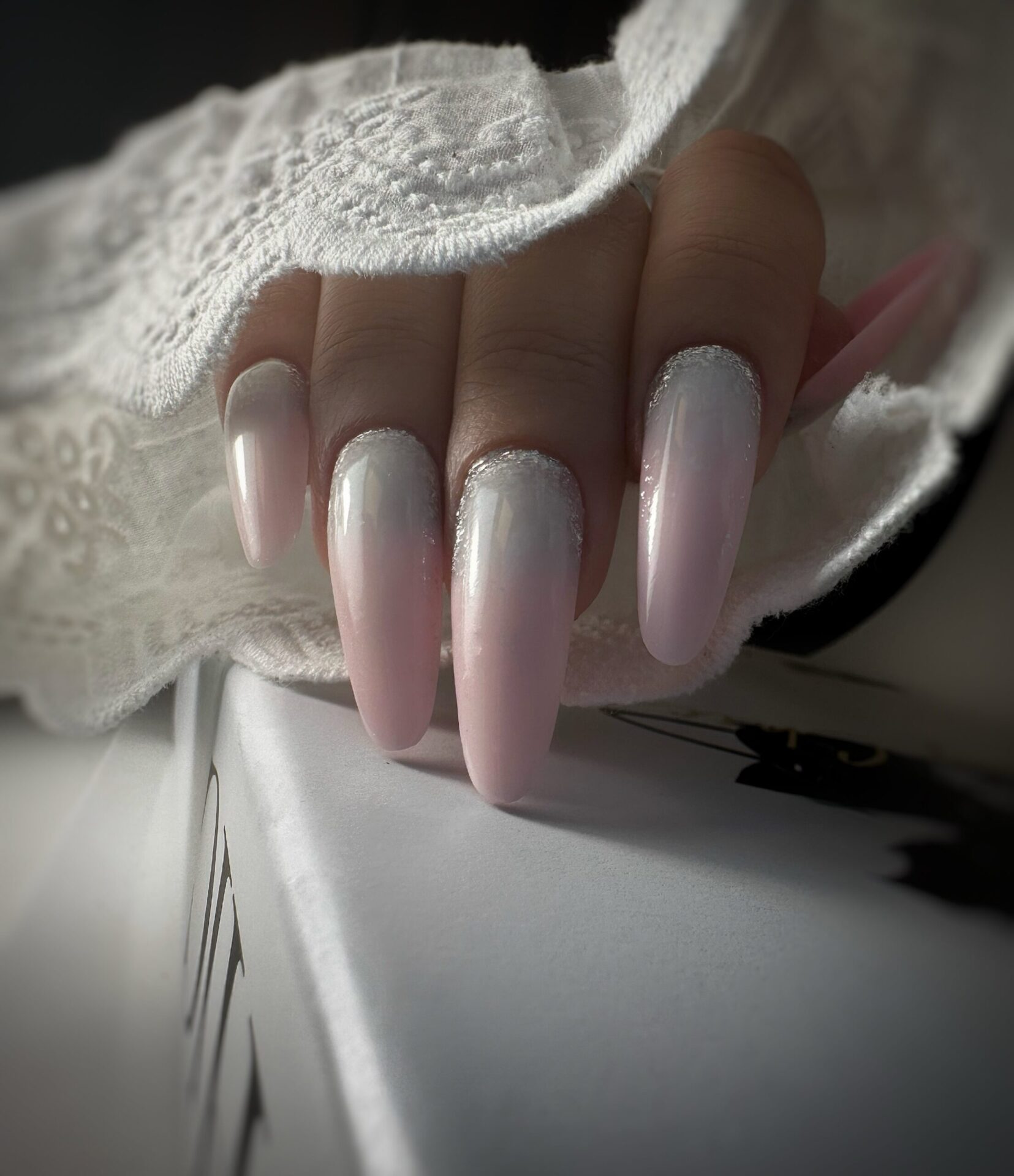
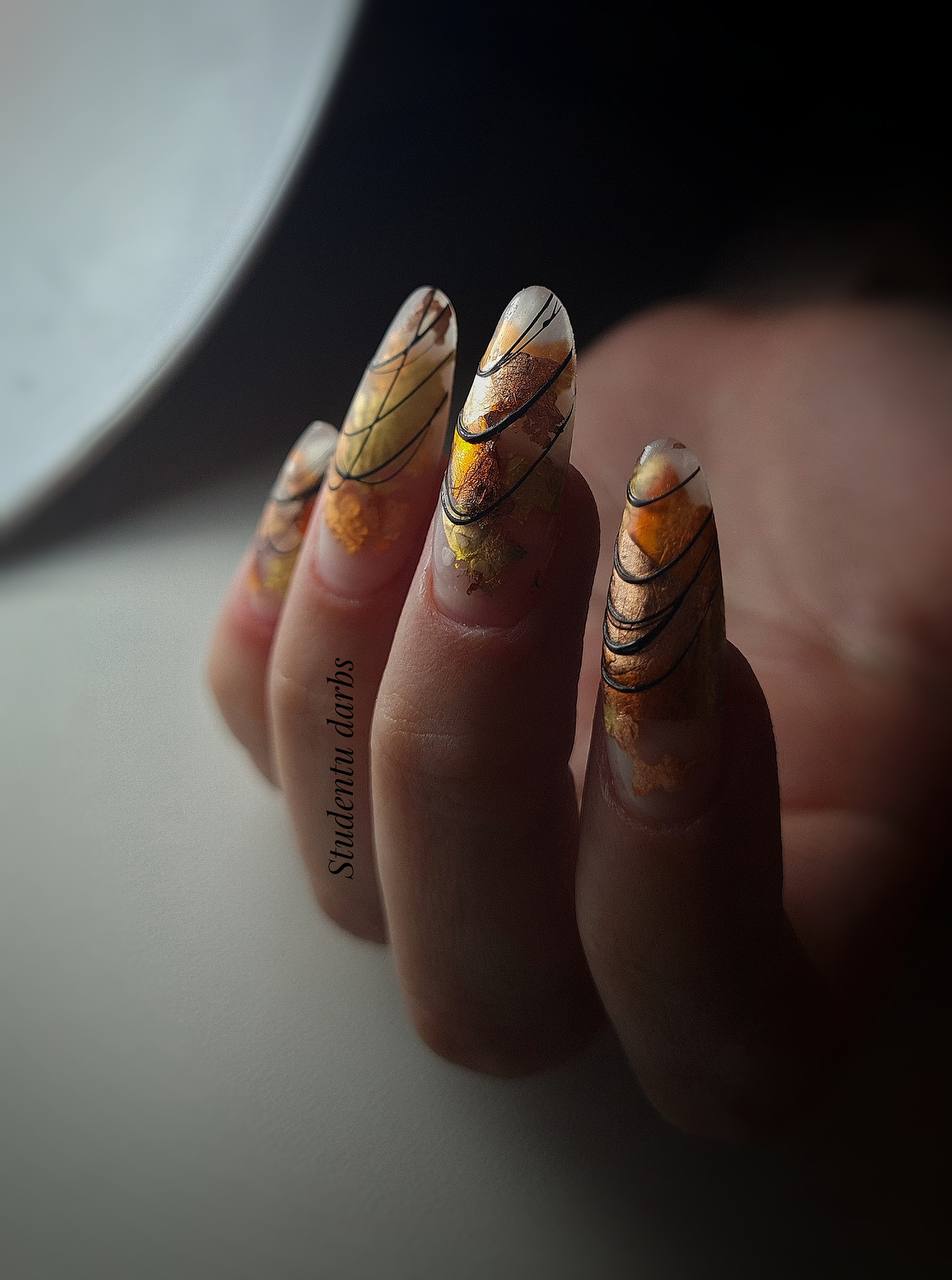
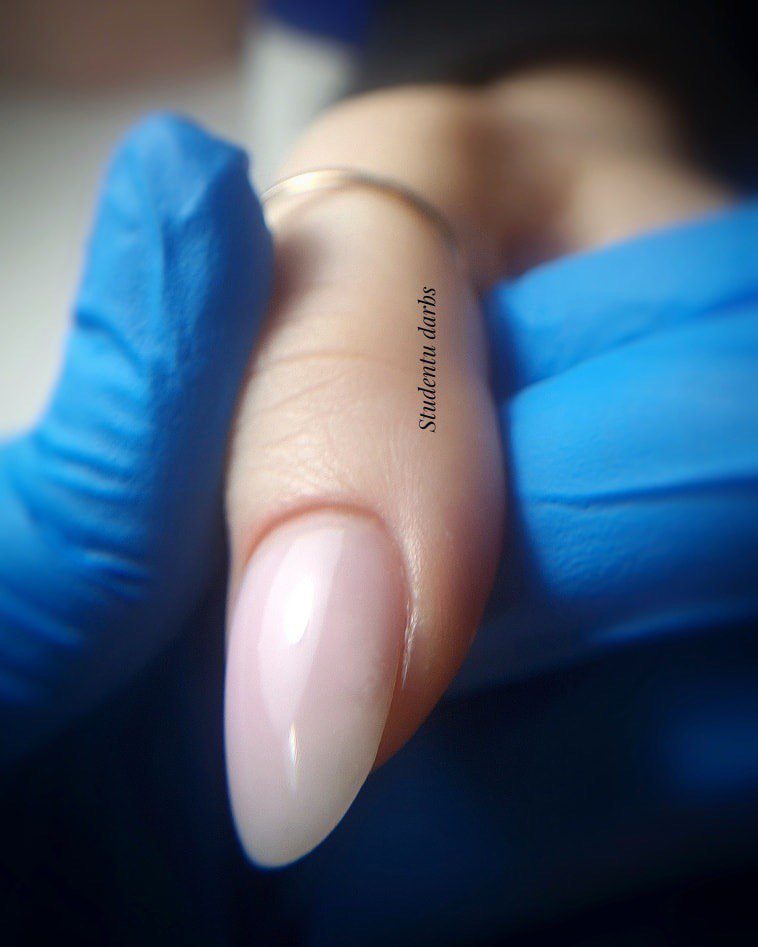
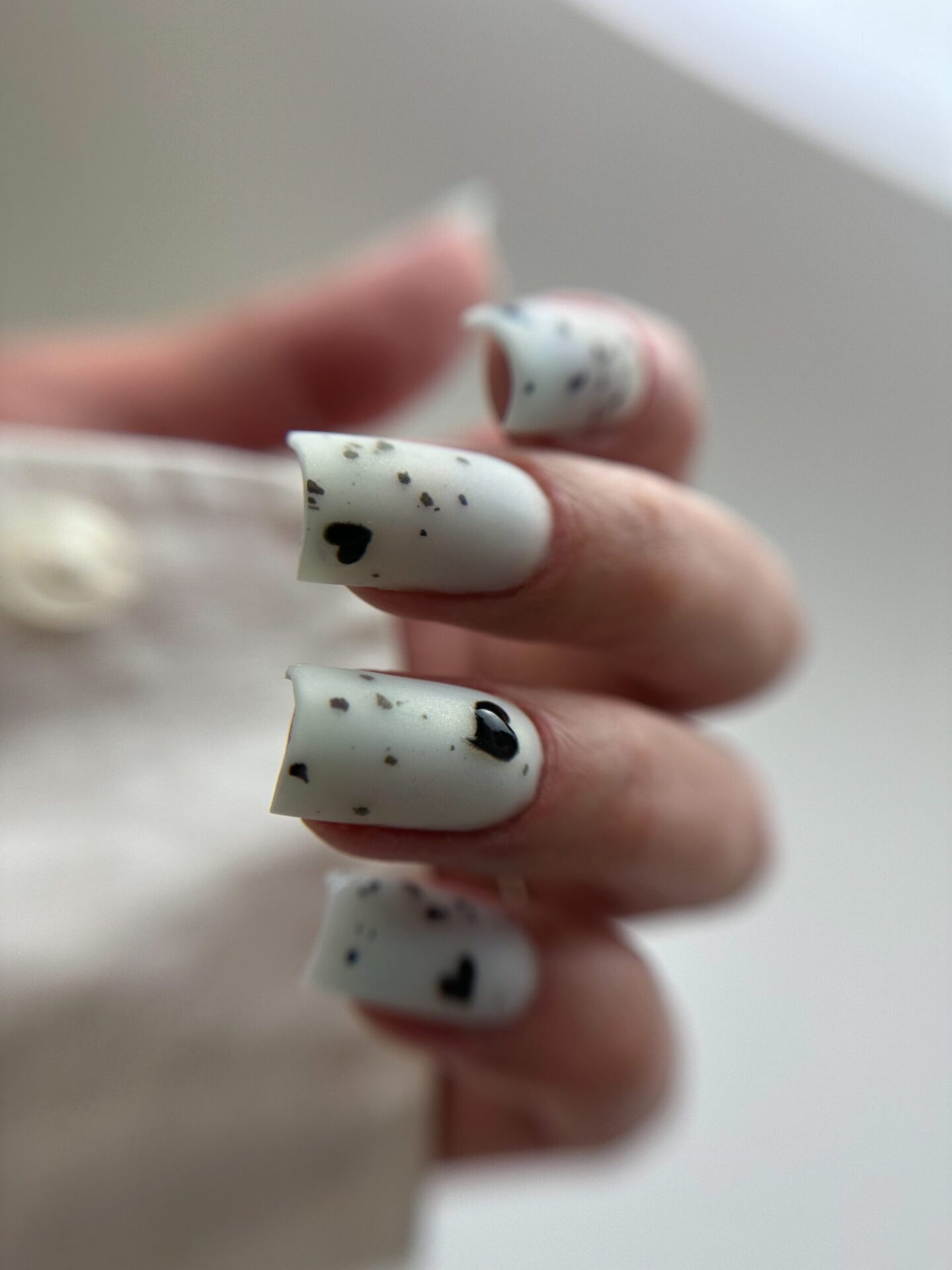
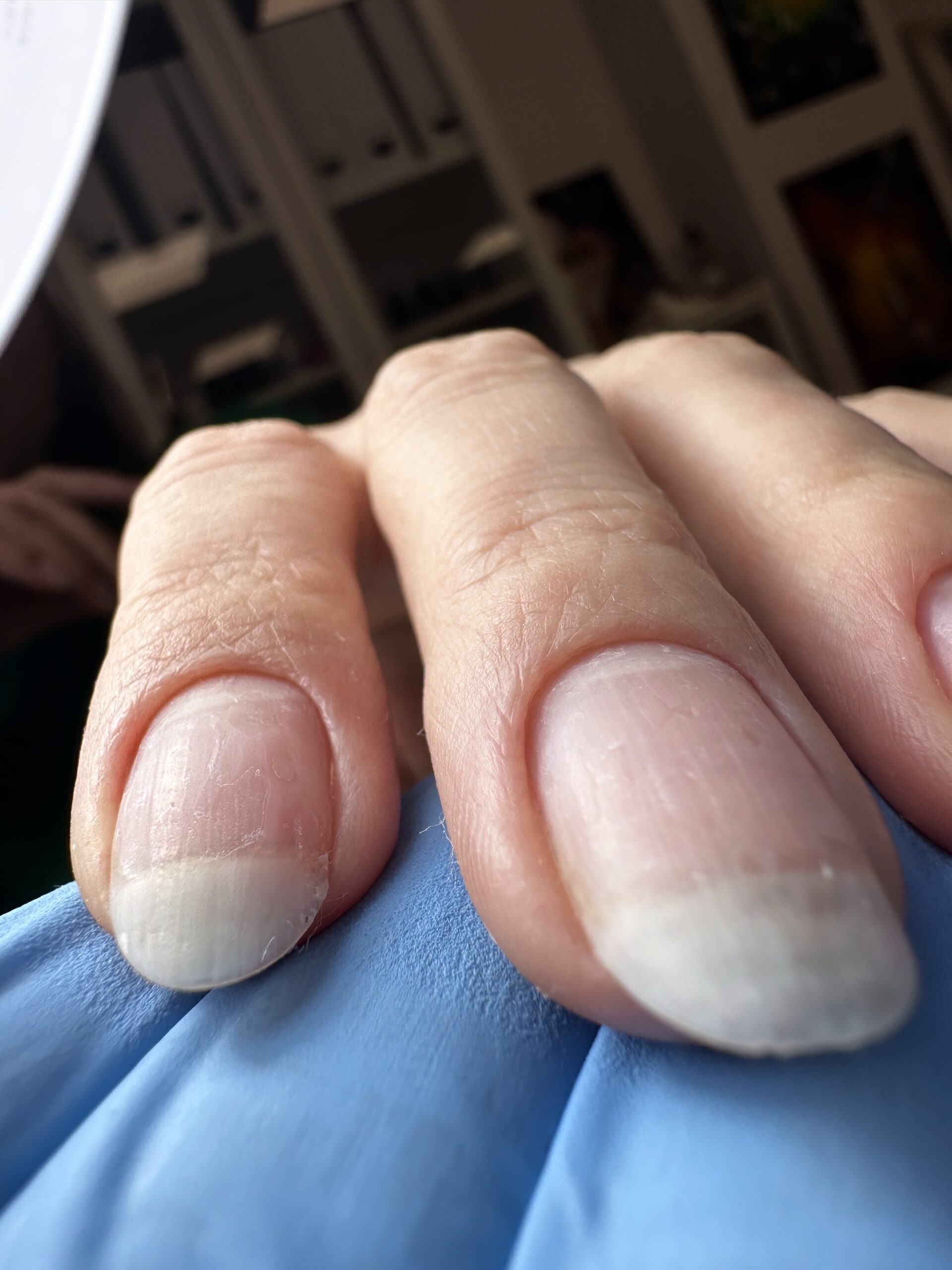
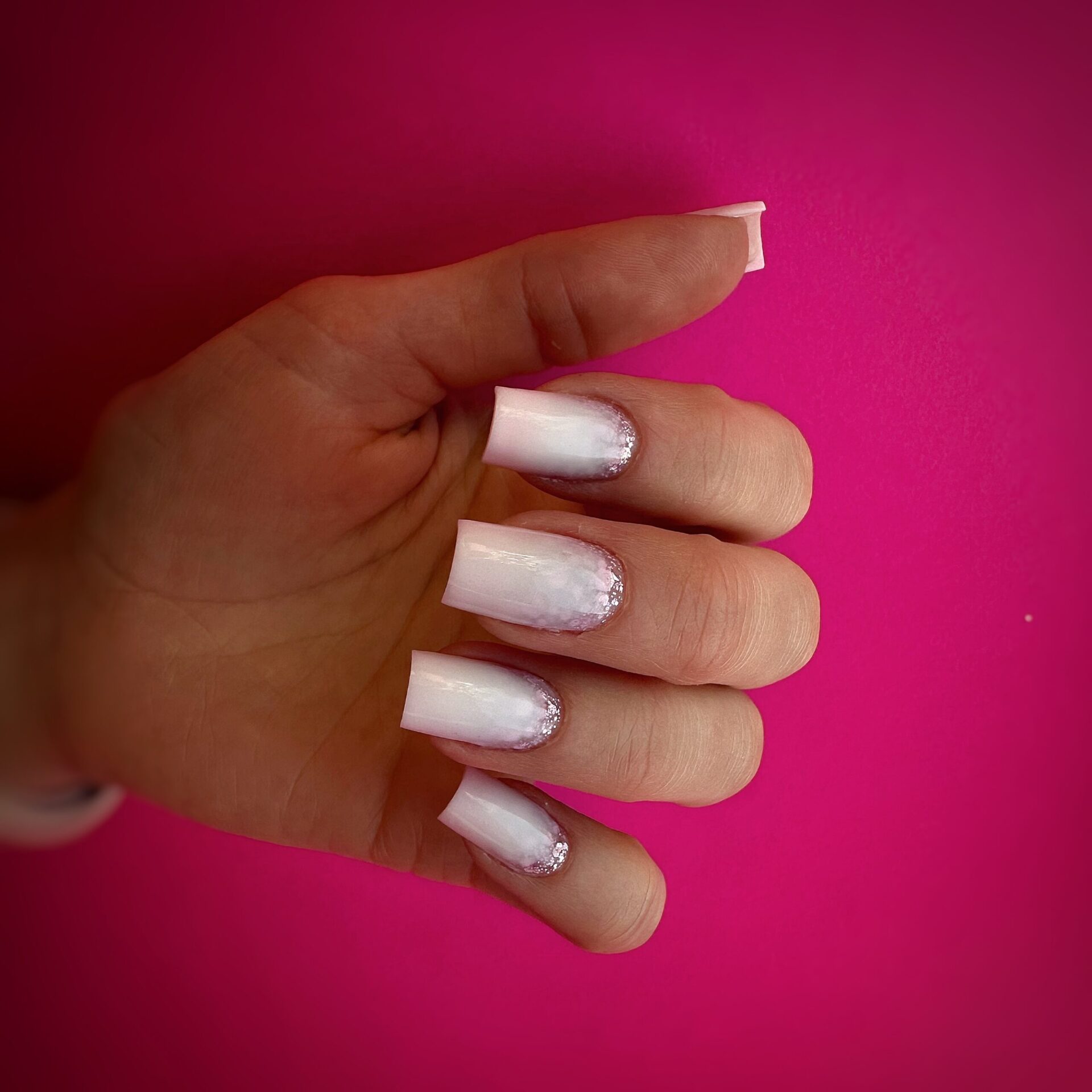
Students’ Works
Title
Title
Title
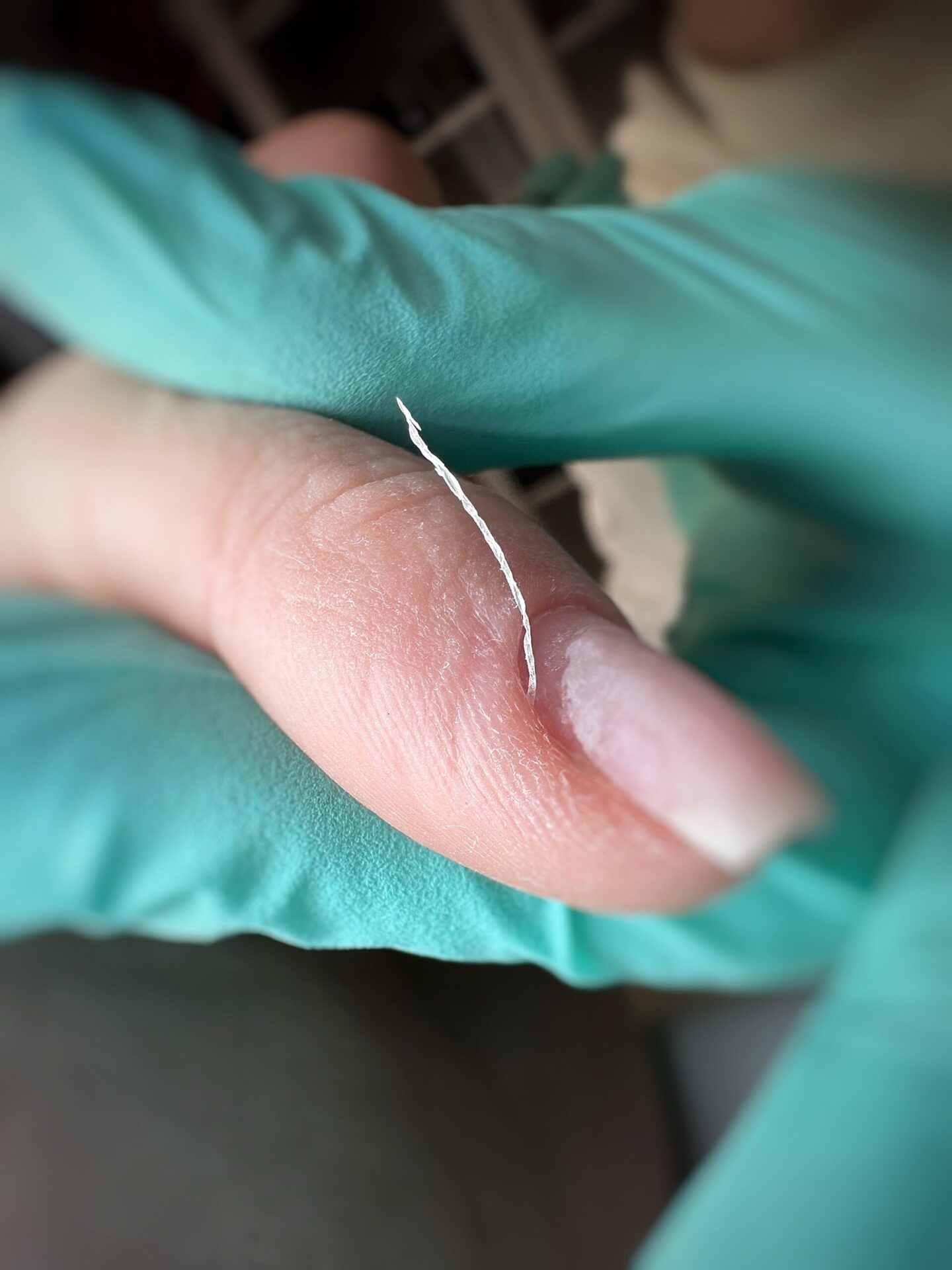
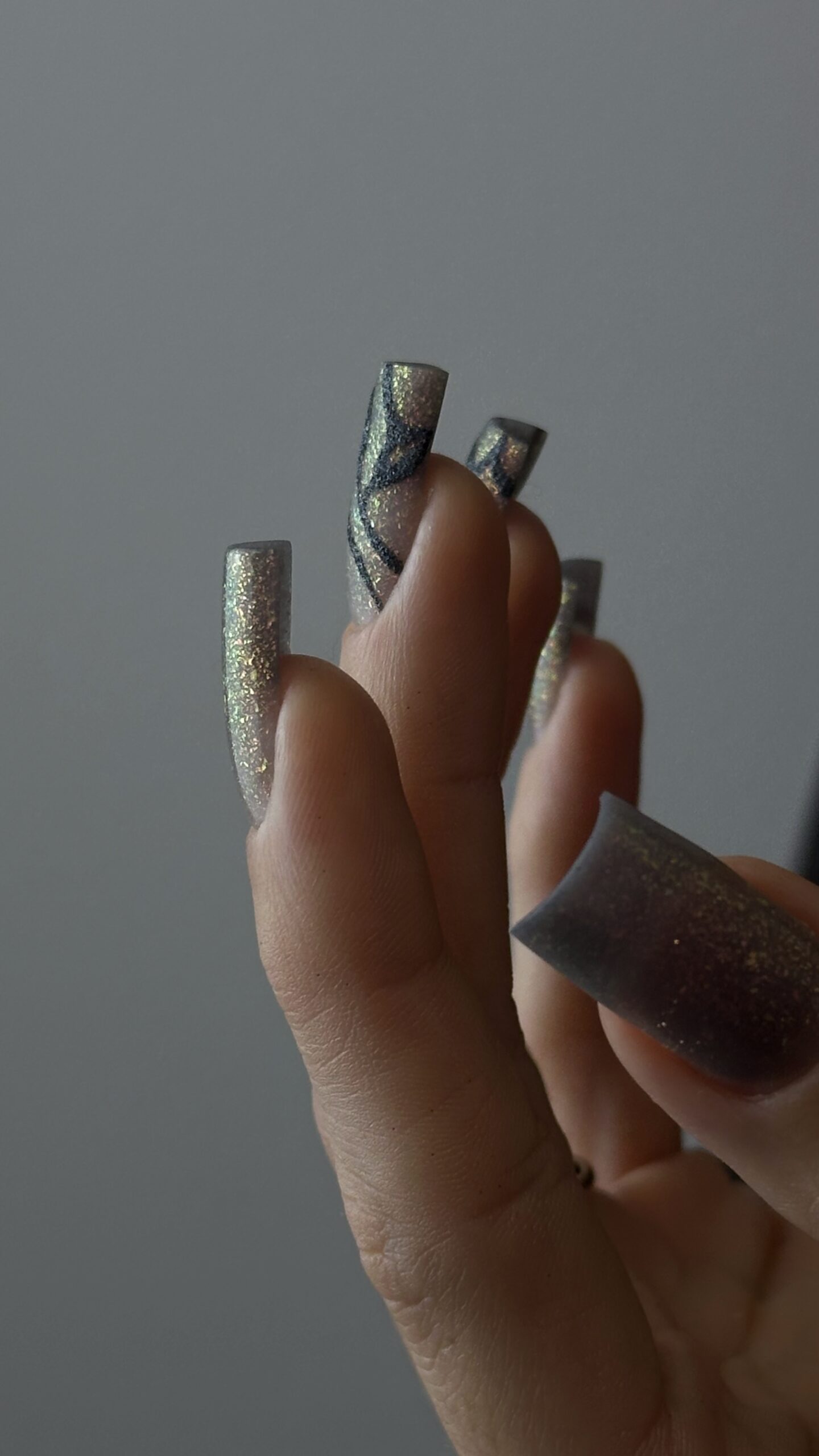
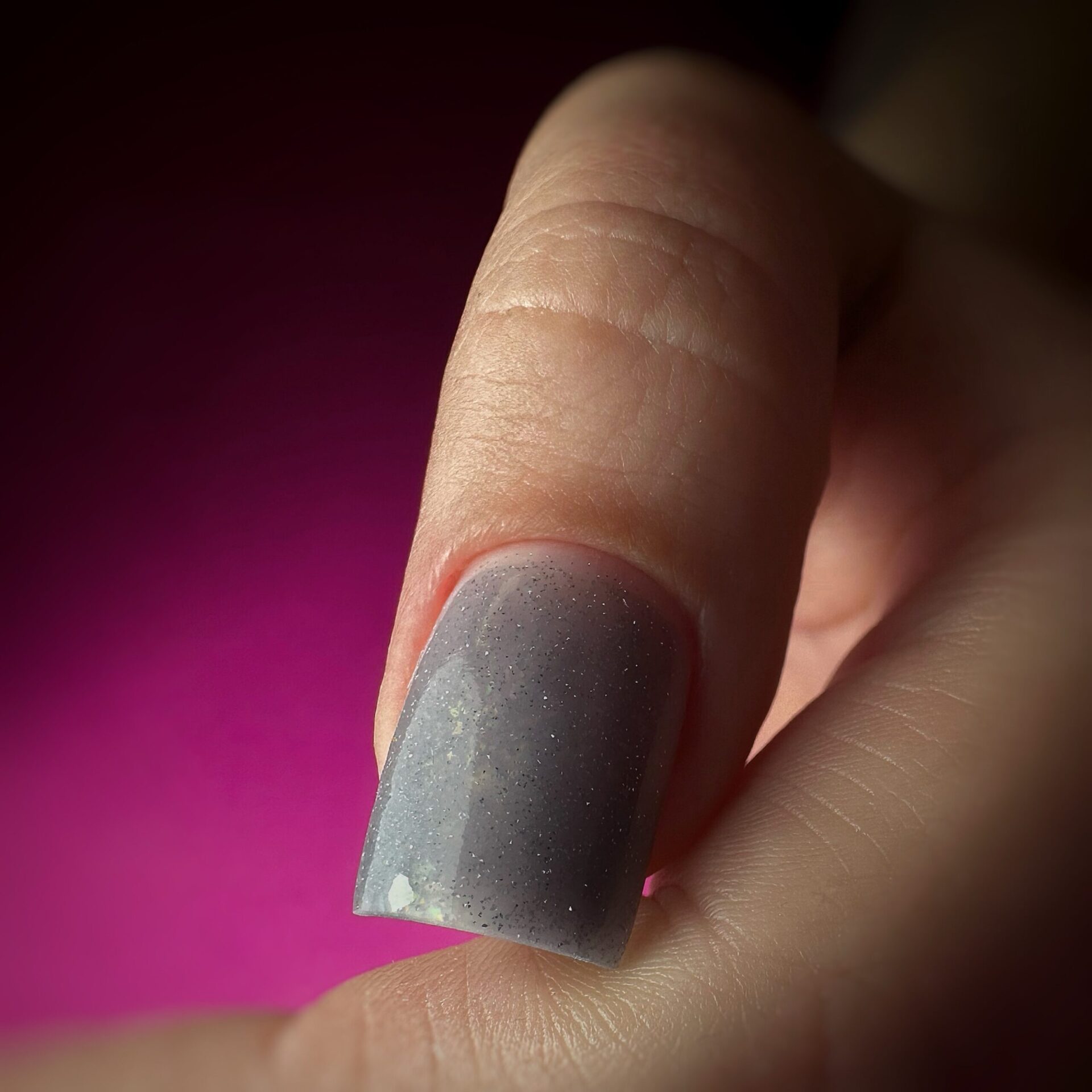
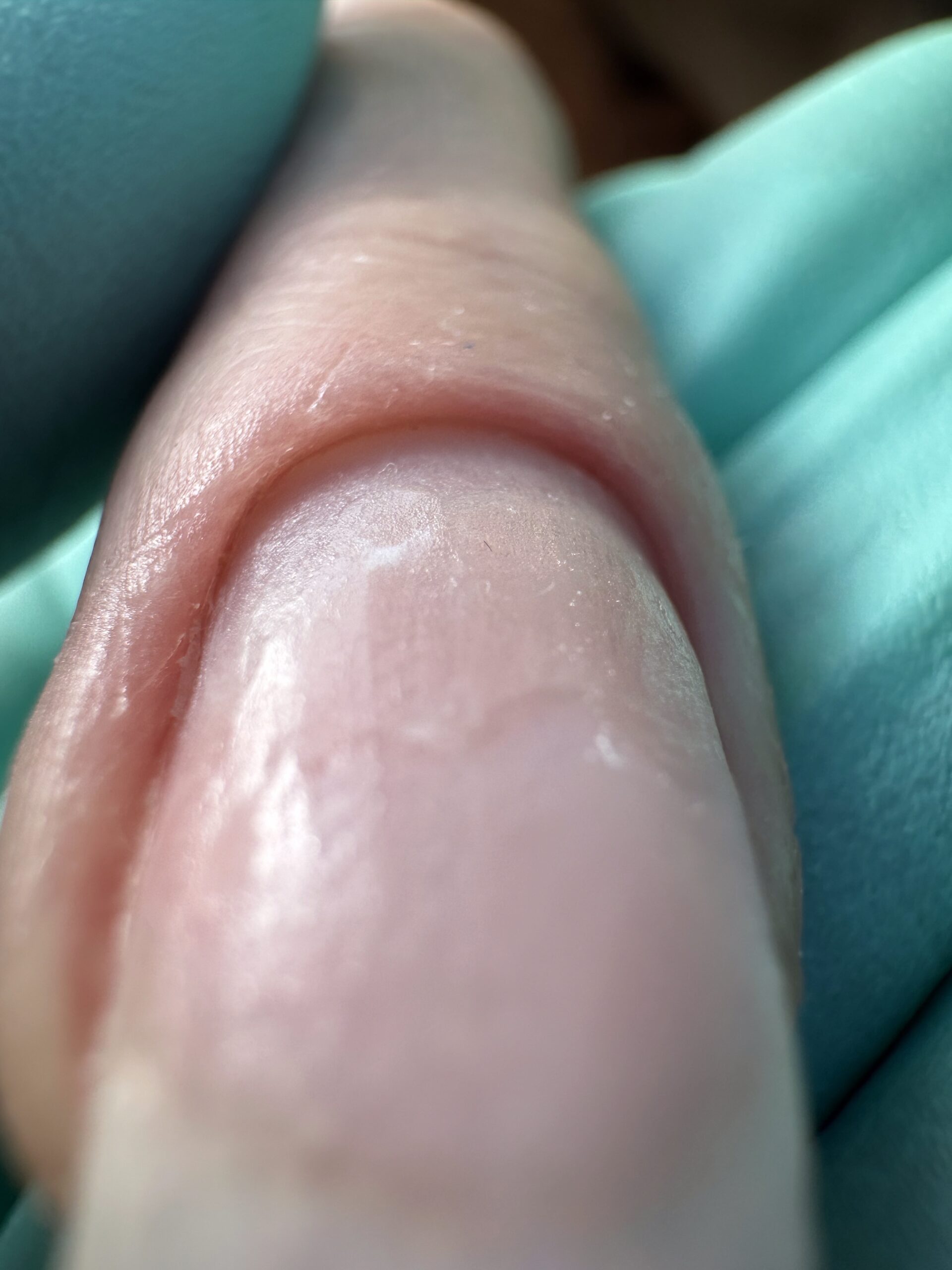
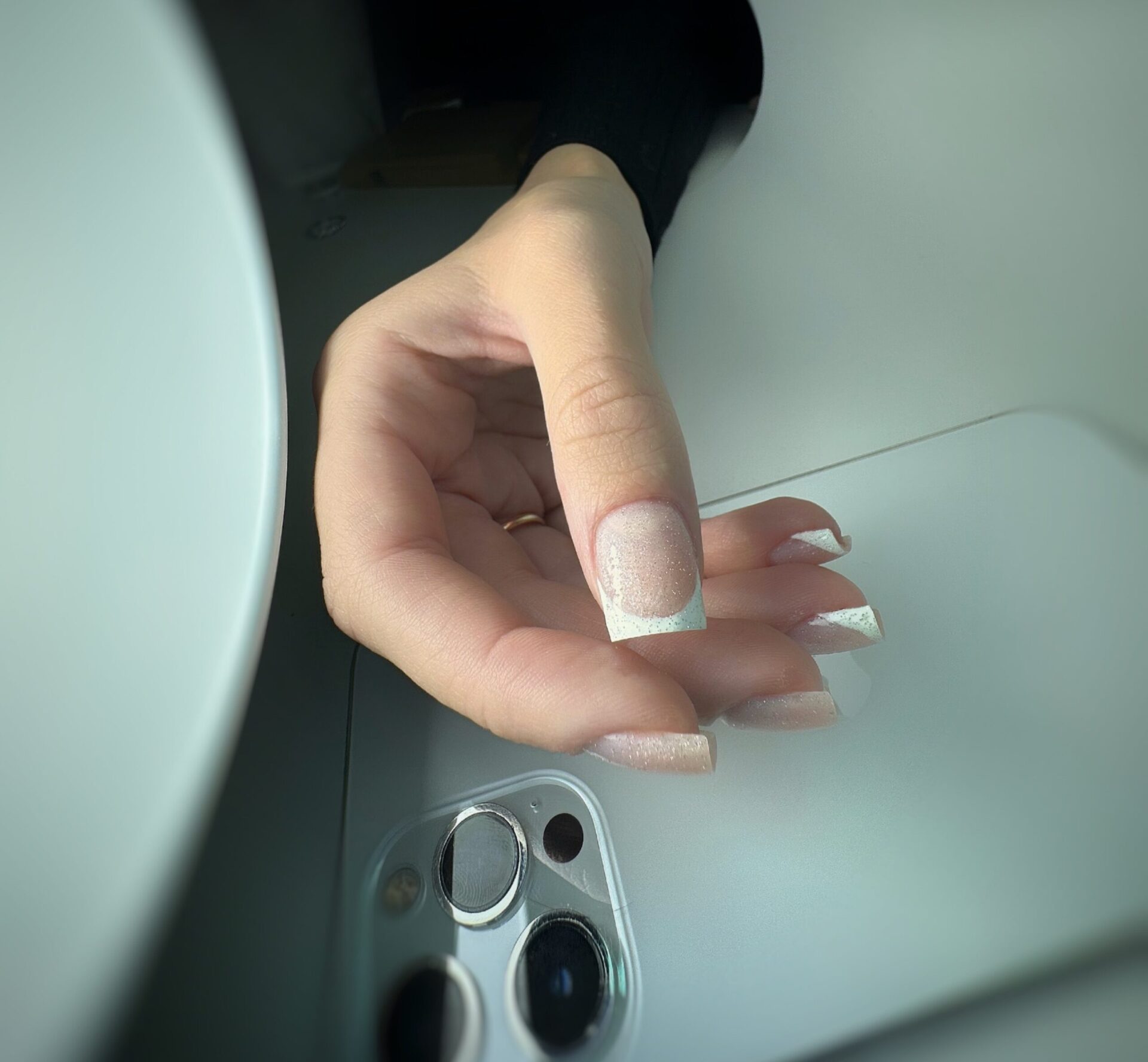
When looking at the work of the participants of the “Introduction to Manicure” program, it is easy to notice that it is not yet perfect. And that is normal. Every high-quality result begins not with an image, but with understanding: how to hold the hand correctly, why each step is necessary, where a mistake occurs, and how to correct it. In our training format, we do not present a “showcase ideal.” We present the path to a confident start — honestly, step by step, and with close attention to detail.
Participants of the “Introduction to Manicure” program are at the very beginning of their journey. Their work is not a demonstration of results and not a competition, but the first conscious steps in developing skills. At this stage, it is important not only to apply the coating neatly or shape the nail correctly. Participants become familiar with the fundamentals: body positioning, hand movement, proper handling of tools and devices, understanding the sequence of actions, and maintaining a mindful approach to the process. This gradual development requires time, concentration, and patience. Fine motor skills, attention to detail, and an overall understanding of hand anatomy are formed — the foundation without which stable and high-quality progress is not possible.
It’s important to realize that every mistake and every imperfection in one’s work is a valuable experience. Mistakes are what give us the opportunity to learn and grow. What truly matters is not how many times you’ve fallen, but how many times you’ve been able to get back up and keep moving forward.
It’s also worth noting that not every experienced master can boast that their first works were flawless. We all started somewhere, and everyone faced their own challenges and setbacks along the way. Sometimes, students of basic courses show remarkable creativity and precision worthy of professionals — all thanks to their strong desire to learn and grow.
Therefore, before criticizing the work of beginner artists, remember the importance of support and understanding. They are at the very beginning of their journey, where every compliment and piece of constructive feedback can play a crucial role in their growth.
Loading rules…
You can confirm the rules only after reading the full text.